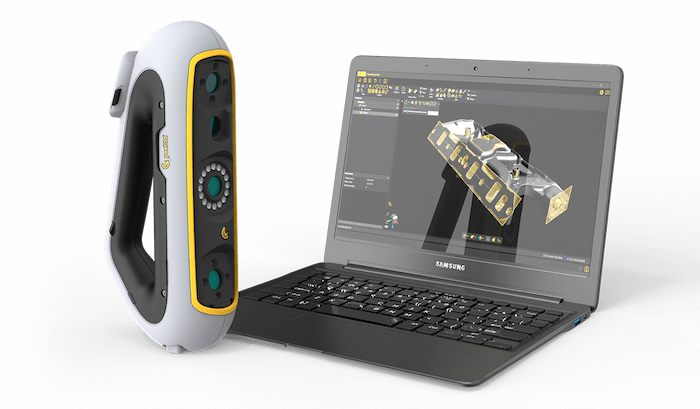
Uniden Laser & Radar Stealth Integration in the Ferrari 296 GTS Powered by Peel 3D
About Masterpiece Automobile
Masterpiece Automobile specializes in high-end automotive customization and OEM-quality technology integrations for luxury, exotic, and performance vehicles. The company is known for creating installations that appear as though they were designed and manufactured by the vehicle manufacturer itself, combining advanced engineering, digital design, and precision manufacturing.
For this project, Masterpiece Automobile partnered with Peel 3D to demonstrate how modern Scan-to-CAD workflows can simplify the integration of advanced electronics into one of today's most sophisticated supercars, the Ferrari 296 GTS.
The Challenge: Preserving Ferrari Design While Adding Advanced Protection
The Ferrari 296 GTS is a vehicle where every surface, contour, and design element has been carefully engineered. Integrating a Uniden laser and radar detection system required more than simply finding space for the components.
The challenge was to create a stealth installation that would:
- Preserve Ferrari's original styling
- Maintain OEM-level aesthetics
- Accommodate the radar and laser hardware
- Avoid visible modifications
- Ensure accurate sensor placement and performance
As discussed during the webinar, the objective was not only to fit the system into the vehicle but to make it look as though it belonged there from the factory.

The Ferrari 296 GTS project required a discreet radar and laser integration that preserved the vehicle's original styling and premium appearance.
Capturing the Vehicle with Peel 3D
Achieving this level of integration began with accurate digital data acquisition.
Using the Peel 3 scanner, Masterpiece Automobile captured the geometry of the Ferrari's critical installation areas. Instead of relying on manual measurements, templates, or repeated disassembly, the team created an accurate digital representation of the vehicle.
Scanning Tricks Used During the Project
Working on high-end vehicles presents unique challenges. During the webinar, the team highlighted several best practices:
- Capture larger reference areas instead of scanning only the target mounting location.
- Scan surrounding surfaces and adjacent components to ensure proper fitment.
- Use existing vehicle geometry as reference features.
- Verify sensor line-of-sight requirements during the scanning stage.
- Collect enough geometry to support both design and manufacturing activities.
These practices help reduce redesign iterations and ensure the final components fit correctly during installation.
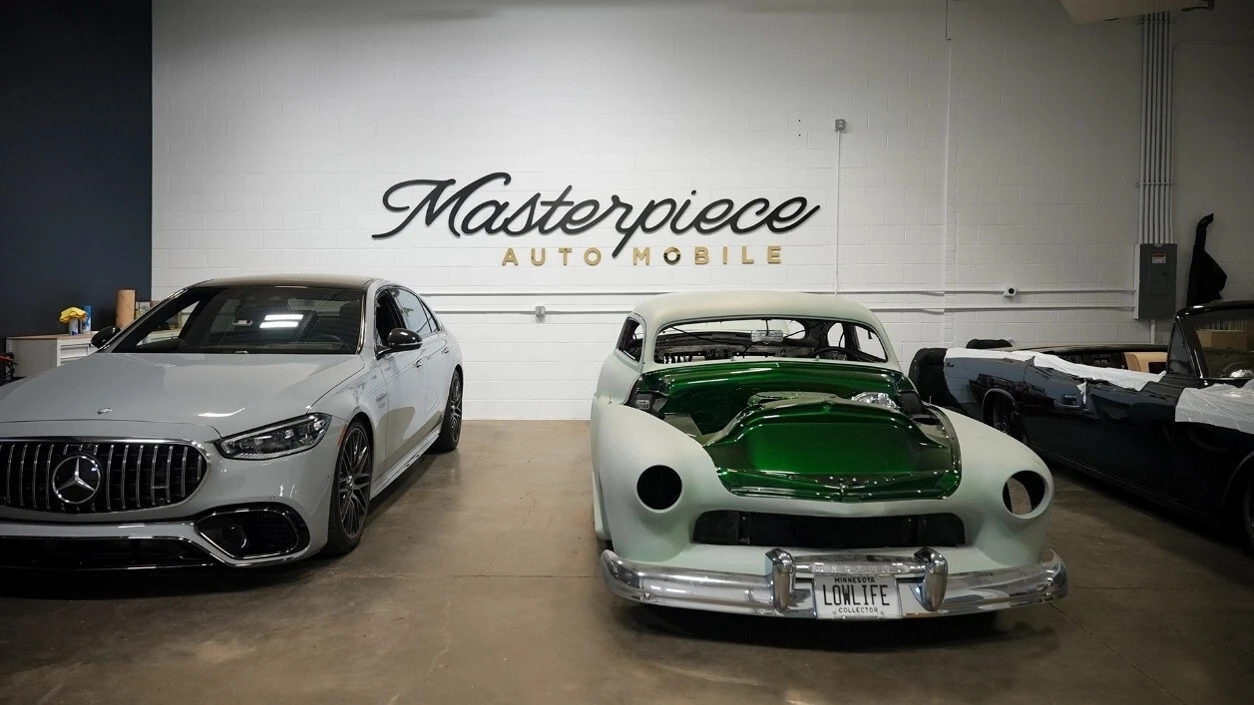
Peel 3D scanning technology was used to capture accurate vehicle geometry for Scan-to-CAD development.
The Power of Peel 3 Pro.CAD
Once the scan data was collected, the workflow moved into Peel 3 Pro.CAD.
The software enabled the team to transform captured geometry into engineering-ready design data that could be used to create custom mounting solutions and integration components.
Design Tools Highlighted During the Presentation
The webinar demonstrated several capabilities used throughout the project, including:
- Scan alignment and data preparation
- Geometry extraction
- Surface creation
- Feature recognition
- Section analysis
- CAD reconstruction
- Design validation against real-world geometry
These tools allowed the team to move efficiently from scan data to manufacturable parts.
The "Magic Tool"
One of the standout moments of the webinar was the discussion around what the presenters referred to as the "magic tool."
The value of this capability lies in its ability to dramatically simplify the conversion of scanned geometry into usable engineering features. Instead of manually recreating complex surfaces from scratch, engineers can leverage extracted geometric references to accelerate CAD development and reduce modeling time.
For automotive customization projects, where components must fit precisely within tight packaging constraints, this capability can significantly shorten development cycles while maintaining high accuracy.
From Scan-to-CAD to Manufacturing
With the vehicle geometry captured and engineering references extracted, Masterpiece Automobile developed custom-designed components to house and position the Uniden system.
The workflow followed a structured process:
Vehicle Scanning → Data Processing → CAD Design → Prototype Development → Manufacturing → Vehicle Installation
This digital workflow provides several benefits:
- Faster development cycles
- Improved fit accuracy
- Reduced trial-and-error fabrication
- Fewer installation adjustments
- OEM-quality results
By designing directly from real-world scan data, the team was able to create components that integrated seamlessly into the Ferrari 296 GTS while maintaining the vehicle's premium appearance.
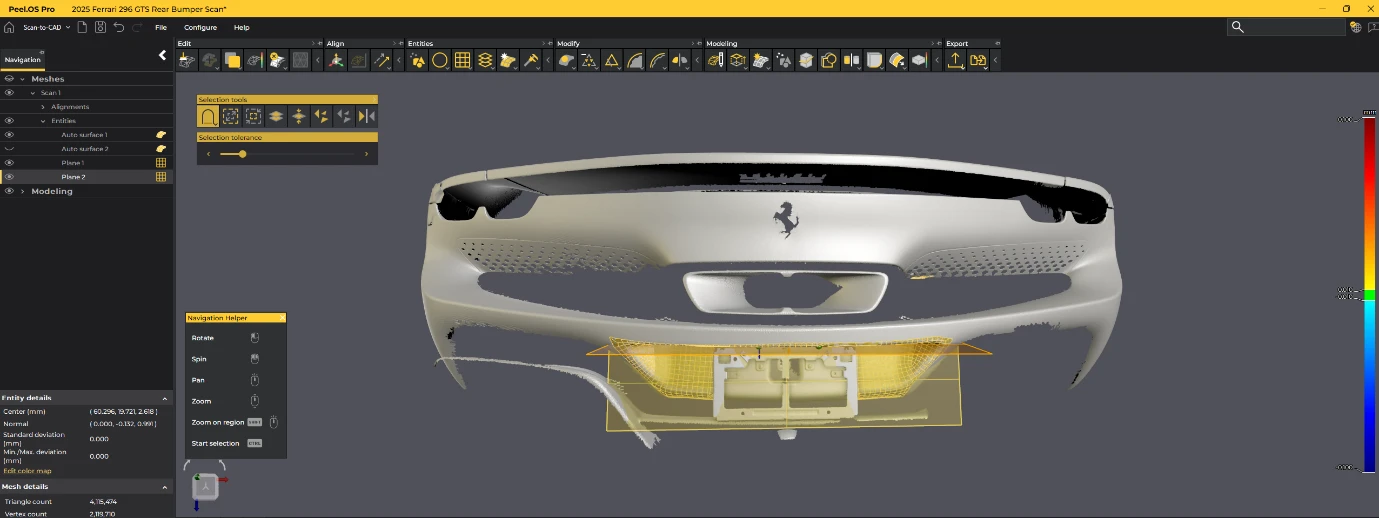
Scan data was converted into engineering-ready CAD geometry to support the development of custom radar integration components.
Building a Digital Library of Assets
One of the most valuable outcomes of the project extends beyond the initial installation.
Once the vehicle has been scanned and the CAD models have been created, those assets become part of a reusable digital library.
This provides long-term advantages:
- Existing designs can be reproduced without rescanning the vehicle.
- Components can be re-manufactured if replacement parts are needed.
- Future upgrades can build upon existing design data.
- Design consistency can be maintained across multiple projects.
- Development time for similar vehicles can be significantly reduced.
Rather than restarting the entire engineering process, Masterpiece Automobile can leverage previously captured digital assets to accelerate future work.
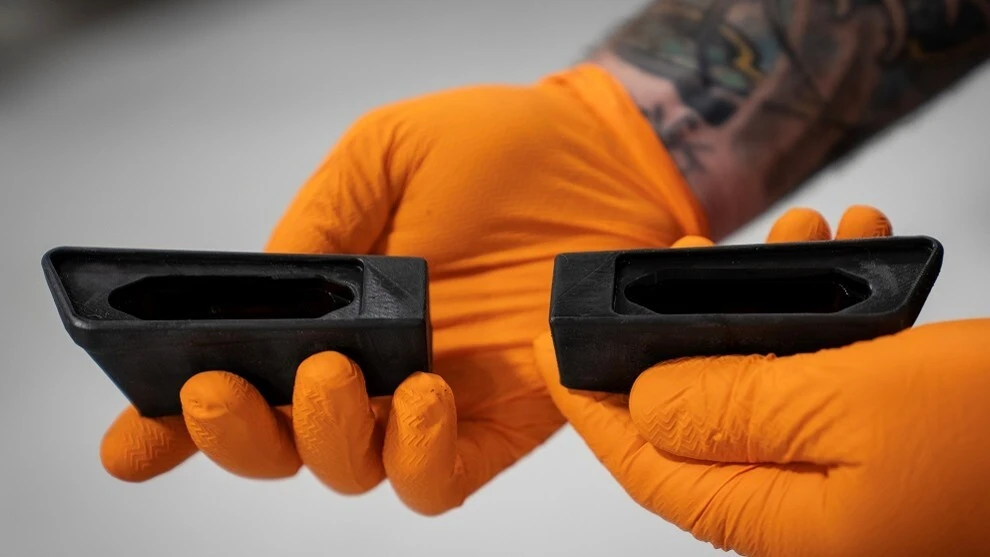
Digital assets created during the project can be reused for future manufacturing, replacement parts, and rapid prototyping.
Key Takeaways
The Ferrari 296 GTS project demonstrates how 3D scanning is transforming automotive customization and integration workflows.
Accurate Digital Capture
Peel 3D enabled precise acquisition of vehicle geometry, eliminating much of the guesswork associated with traditional measurement methods.
Faster Scan-to-CAD Development
Peel 3 Pro.CAD streamlined the transition from scanned data to engineering-ready designs, supporting efficient custom component development.
OEM-Quality Results
The final Uniden laser and radar integration preserved the Ferrari's original styling while delivering advanced functionality.
Reduced Rework and Faster Manufacturing
Designing directly from accurate scan data improved fitment and reduced fabrication iterations.
Long-Term Digital Asset Value
The creation of a digital library means components can be reproduced, modified, or re-manufactured in the future without repeating the entire engineering process.
Conclusion
The Ferrari 296 GTS integration showcases how Peel 3D technology enables automotive specialists to achieve OEM-level customization on some of the world's most sophisticated vehicles. Through accurate 3D scanning, intelligent Scan-to-CAD workflows, and precision manufacturing, Masterpiece Automobile successfully integrated a Uniden laser and radar system while preserving the design integrity of the Ferrari.
The project highlights a growing trend in automotive customization: leveraging digital workflows not only to improve current projects, but also to build valuable digital assets that continue delivering value long after the installation is complete.
Wonder how Peel 3D can transform your work, solve problems, and save you time?
Contact our Peel 3D experts