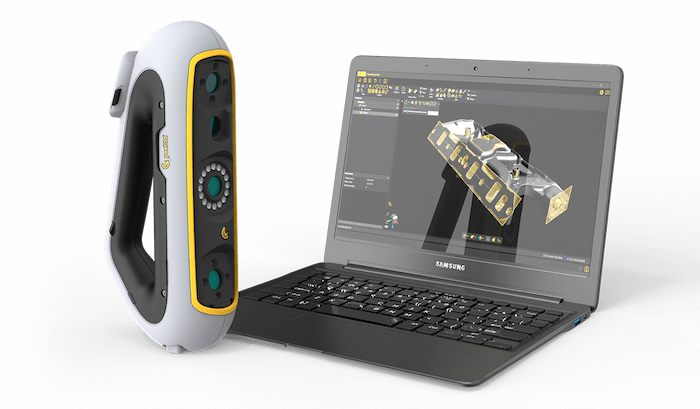
How NS85 Uses 3D Scanning to Drive Precision in Motorsport Engineering
When it comes to motorsport and specialist vehicle manufacturing, precision is everything. NS85, a highly focused engineering team based in the UK, has built its reputation on delivering high-performance braking systems, lightweight structures, and complex low-volume projects for some of the most demanding applications in the industry.
The Challenge: Designing Without Perfect Data
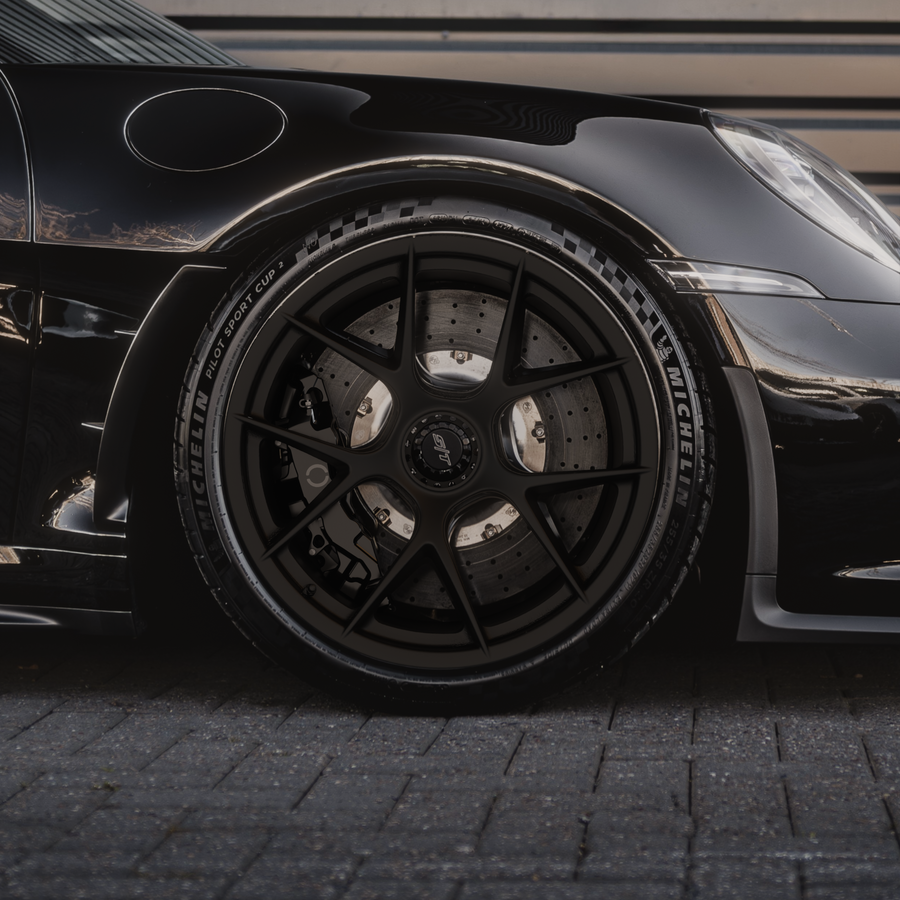
Unlike mass-production environments, NS85 often faces situations where there are no accurate CAD models, detailed drawings, or off-the-shelf parts that fit. Instead, they work directly with real cars and components, navigating packaging spaces that rarely match what the datasheet says.
This is where 3D scanning has become a gamechanger for NS85.
Why 3D Scanning Matters
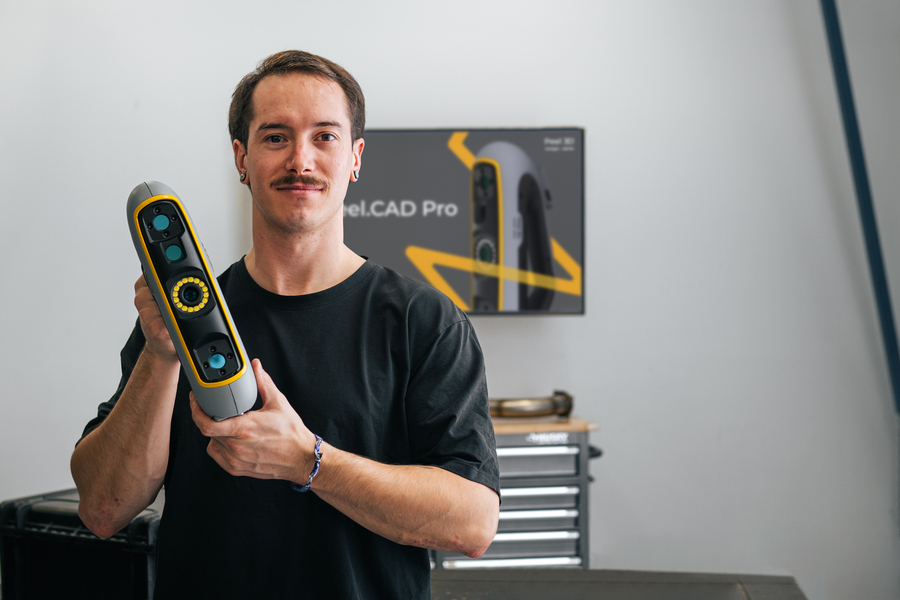
By capturing precise geometry of critical areas with the Peel 3 scanner, like hubs, uprights, knuckles, mounting faces or pedal boxes, the team starts every project with reliable, real-world data. This upfront accuracy reduces uncertainty, minimizes surprises, and ensures that design decisions are based on facts, not assumptions.
Once scanned, the data flows seamlessly into their design and optimization workflow. Whether they’re creating bespoke motorsport brake kits, reverse-engineering legacy components, or developing brake discs for low-volume manufacturers, having accurate geometry and measurements makes the process faster and far more reliable.
In short, 3D scanning gives NS85 confidence. It eliminates guesswork, accelerates development, and ensures parts fit correctly the first time, critical in the tight packaging environments they deal with every day.
Inside NS85’s Workflow: From Scan to CAD
In this webinar that our team offered together with Nick from NS85, three videos that showcase how NS85 integrates scanning into their processes have been included.
1. On-Site Scanning
The first video demonstrates how NS85 performs on-site scans of vehicle components—such as hubs, uprights, and surrounding geometry—to create accurate digital models when CAD data is unavailable. This approach ensures precise design decisions and increases the likelihood of a perfect fit on the first attempt.
2. Mesh Cleanup and CAD Integration
Next, NS85 shows how they align multiple scans into a single dataset, clean the mesh by removing noise and filling gaps, and prepare it for engineering use. The data is then imported into SolidWorks, where the brake assembly is designed around real geometry. This step transforms raw scans into reliable data for confident design decisions.
3. Reverse-Engineering with Peel.CAD Pro
The final video walks through reverse-engineering a brake disc using Peel.CAD Pro’s Scan-to-CAD tools. The workflow includes importing scan data, rebuilding the geometry into a clean, editable CAD model, and validating accuracy through a comparison with the original mesh. This efficient process is ideal for legacy parts or components without existing digital data.

The Big Advantages
Starting with accurate, real-world data reduces uncertainty during early design stages, especially for custom or modified vehicles where nothing is guaranteed to match the catalogue. The entire process, from scanning and mesh refinement to CAD integration, creates a smooth path into design, minimizing the need for multiple prototypes or costly rework.
Ultimately, 3D scanning enables NS85 to deliver tailored, precise solutions efficiently and consistently, making it an indispensable part of their engineering approach.
Wonder how Peel 3D can transform your work, solve problems, and save you time?
Contact our Peel 3D experts